25 September 2026
Is Your Old HVAC System Costing You More Than It Should?
Presented by @centralfloridahomecomfort033
An aging HVAC system has a way of turning small annoyances into regular expenses. At first, it is a noisy startup, a room that never seems to cool evenly, or a power bill that climbs a little higher than expected. Then the calls to the technician start coming more often. A capacitor here, a refrigerant issue there, a fan motor, a contactor, maybe a thermostat that suddenly seems less trustworthy than it used to be. By the time a homeowner starts asking whether the old HVAC system is still worth saving, the machine has usually been telling the story for a while.
That question matters more than people often realize. Heating and cooling systems are not just another appliance. They shape monthly utility costs, indoor comfort, humidity control, and, in hot climates, the quality of life inside the home. In places like Florida, where cooling is not seasonal luxury but daily necessity for much of the year, the question of when to replace AC Florida homeowners face is especially practical. A system can still be running and still be costing too much.
The hard part is that repair versus replacement is rarely a simple yes or no. Age matters, but age alone does not settle the issue. Efficiency matters, but so does the condition of the ductwork, the refrigerant type, the installation quality, and even whether the home itself has changed since the system was installed. A smaller house with better insulation may be easier to cool than it was fifteen years ago. A system installed for a different load, or patched together through years of service, may be using more electricity than it should simply because it is fighting the wrong battle.
The real cost of keeping a tired system alive
People tend to focus on repair invoices because they are visible. The hidden cost is what the system spends every month while it is still technically working. An older unit usually runs longer to achieve the same result. That extra runtime is not free. Motors wear faster, compressors strain, and efficiency slips as components age. A system that once cooled the house comfortably can start consuming noticeably more electricity just to keep up.
I have seen homeowners tolerate this for years because each repair seemed smaller than a replacement estimate. That instinct is understandable. If the repair is a few hundred dollars and the replacement is several thousand, the repair looks like the responsible choice. But if the equipment is already old and the utility bills keep rising, those “small” repairs are only part of the picture. A ten or fifteen year old system can cost more in energy and service calls than the monthly payment on a new one would have cost over the same period.
In Florida, the math can be even harsher. The air conditioner does not get a long break in the summer. It runs through long stretches of high heat, humidity, and afternoon demand spikes. That kind of workload exposes weakness quickly. A system that might limp along acceptably in a milder climate can become a money sink in a home that needs heavy cooling for most of the year.
Age is a clue, not a verdict
There is a common rule of thumb that an HVAC system lasts about 10 to 15 years, sometimes longer with excellent maintenance. That range is useful, but it is not a verdict. I have seen systems under ten years old fail because they were poorly installed, undersized, or neglected. I have also seen older systems keep doing respectable work because they were installed correctly, maintained regularly, and not pushed beyond their design.
Still, age changes the conversation. Once a unit gets into the second half of its life, repair decisions carry more risk. A worn blower motor may get replaced, but if the compressor is next, the homeowner may end up facing back-to-back large expenses. Refrigerant issues can be especially frustrating. Older systems that rely on phased-out refrigerants create another layer of cost and uncertainty, because certain repairs become more expensive or less practical as parts and refrigerant availability tighten.
This is where the question shifts from “Can it be fixed?” to “How long is the fix likely to hold?” A technician may be able to restore function today, but if the unit is nearing the end of its useful life, the repair may only buy a short reprieve. That is not always a bad outcome. Sometimes a temporary repair makes sense if the homeowner needs time to budget for replacement or wants to get through one more season. The mistake is treating every repair as if it resets the clock.
AC replacement signs that deserve attention
Some signs are obvious, others are easy to rationalize away. A home does not usually go from fine to failing overnight. More often, the system becomes inconsistent.
Uneven temperatures are one of the clearest warning signs. If the main bedroom is warm while the living room is freezing, the issue may be ductwork, airflow, or equipment capacity. Frequent short cycling is another concern. A system that turns on and off in rapid bursts may be oversized, malfunctioning, or struggling with a control problem. Either way, that kind of behavior wastes energy and puts stress on the equipment.
Humidity problems matter too, especially in humid climates. A healthy air conditioner should do more than lower temperature. It should remove moisture from the air. If the home feels sticky even when the thermostat says the target temperature has been reached, the system may no longer be managing humidity well. That affects comfort, but it can also encourage mold growth and make the entire home feel warmer than it actually is.
Then there are the sounds and smells people often dismiss at first. Grinding, squealing, banging, or a persistent electrical odor are not normal quirks of an old machine. They often signal parts that are wearing unevenly or electrical components that are under strain. A technician can sometimes isolate the issue, but repeated mechanical noise in an aging unit usually means the system is telling you it is running out of forgiving years.
When homeowners ask about AC replacement signs, I usually tell them to watch for a pattern rather than a single event. One repair does not mean replacement is due. Two or three significant repairs in a relatively short period, especially on older equipment, usually deserve a more serious conversation.
Repair versus replacement, the decision usually comes down to pattern
The smartest decisions I have seen were not driven by emotion or sales pressure. They were driven by pattern recognition. A homeowner looked at how often the system had failed, what the repairs cost, how the bills had changed, and how much longer they planned to stay in the home.
Repair makes more sense when the system is still relatively young, the issue is isolated, and the rest of the unit is in good shape. A failed capacitor on a well-maintained eight-year-old system is not the same as a compressor problem on a fourteen-year-old unit with a history of refrigerant leaks and blower issues. One is maintenance. The other is a sign of a machine that may be losing the argument.
Replacement becomes more compelling when the same system keeps demanding attention, when the repair estimate approaches a meaningful fraction of the replacement cost, or when the unit has fallen behind on efficiency enough that monthly operating costs become part of the burden. A homeowner may not feel the difference on one utility bill, but over a summer, the math can become noticeable.
There is also the matter of confidence. A system that leaves the family nervous every time the temperature rises is costing more than money. It is costing predictability. That matters in a place where heat is not a nuisance but a condition of everyday life. If a homeowner is constantly checking the thermostat and wondering whether the air conditioner will make it through another heat wave, replacement can offer value that is hard to measure on a repair invoice.
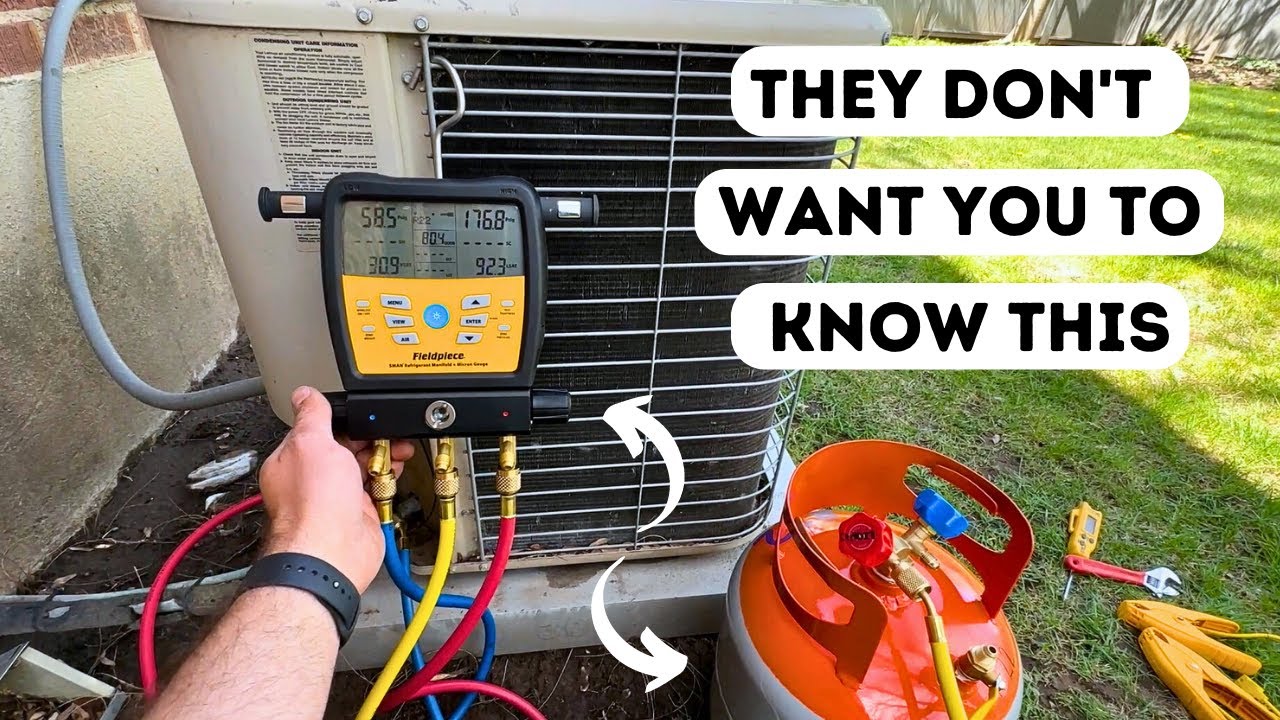
Florida changes the equation
The phrase when to replace AC Florida homeowners ask is not just a search query. It reflects a climate reality. Florida systems work harder, for longer stretches, with less rest. Salt air in coastal areas can shorten the life of outdoor equipment. High humidity creates more condensation, more drainage issues, and more strain on components that are already operating for long periods.
That means a system that might survive a few more mild seasons somewhere else may be a poor bet in Florida if it is already showing age. The same repair that feels acceptable in a more moderate climate can become part of a recurring cycle under heavy local demand. The outdoor condenser, the coil, the drain line, the insulation around the refrigerant lines, all of it matters more when humidity and heat are relentless.
I have seen homes where the difference between a functional older system and a tired one came down to a few specific facts: whether the coils were clean, whether the ducts leaked conditioned air into the attic, and whether the unit had been properly sized for the house after renovations. Florida homes change. Additions, new windows, attic insulation upgrades, and occupancy changes all affect cooling load. An old HVAC system that once worked well may no longer be matched to the home it serves.
The bill does not lie, even when comfort does
Utility bills are one of the best reality checks available. They do not diagnose the problem, but they reveal whether the system’s cost of ownership is rising. If bills climb year over year, and weather patterns do not fully explain the increase, the HVAC system deserves a closer look.
The best comparison is not a single month. It is a pattern across similar seasons. Compare hot months to hot months, and pay attention to whether the system is using more electricity to produce the same level of comfort. If the thermostat setting has not changed much, but the bill keeps climbing, the old HVAC system may be losing efficiency in ways that are easy to miss day to day.
The cost of ownership includes more than power. It includes maintenance, emergency service, and the indirect costs of discomfort. A family that uses portable fans, lowers the thermostat more than before, or avoids certain rooms because they do not cool properly is paying a real price, even if it never appears on an invoice.
What a thoughtful evaluation should look at
A proper decision should start with the whole picture, not just the age of the residential AC repair unit or the last repair bill. The condition of the compressor, blower motor, evaporator coil, ductwork, refrigerant lines, thermostat, and electrical connections all matter. So does the home’s envelope. A leaky attic or poorly sealed windows can make a good system seem weaker than it is, while a sound envelope can help an older system perform better than expected.
A trusted technician should be able to explain not only what is failing, but whether the repair is likely to solve the current complaint without exposing the homeowner to the next likely failure. If the answer is yes, repair may be the right call. If the answer is more cautious, replacement deserves serious attention. Honest trade-offs should be part of the conversation. Sometimes the best option is to repair now and plan for replacement within a year. That gives the homeowner time to choose the right equipment instead of rushing into a decision during peak summer stress.
Equipment sizing matters too. Bigger is not automatically better. An oversized system may cool quickly but fail to manage humidity well, leaving the home clammy. An undersized system can run constantly and never catch up. In HVAC Contractor either case, replacement offers an opportunity to correct mistakes that have been costing money for years.
A simple way to think about timing
If a system is young, repairs are isolated, and the home is comfortable, repair usually makes sense. If the system is older, the repairs are becoming more frequent, and comfort or humidity control is slipping, replacement starts to look wiser. If the utility bills are climbing, the noise is increasing, and the technician keeps finding the same age-related issues in different forms, the old HVAC system may already be past the point where repairs are good value.
That does not mean the decision has to be dramatic. Many homeowners wait too long because they imagine replacement as a crisis. It does not have to be. Often, the best time to replace is before the system fails completely. That allows for better equipment selection, more careful scheduling, and less pressure. It also avoids the worst-case scenario of replacing a dead unit during peak heat, when availability, pricing, and comfort all become more difficult at once.
A homeowner should never feel forced into replacement by panic alone, but it is equally unwise to keep funding a machine that is quietly draining money through higher energy use and repeated service calls. The right decision usually becomes clear when the numbers, the symptoms, and the age of the equipment all point in the same direction.
A homeowner’s practical checkpoint
Before deciding whether to keep repairing or replace, it helps to ask three plain questions. Has the system had more than one significant repair in the last couple of years? Is the home still comfortable, especially with regard to humidity? Are the monthly operating costs and service visits getting harder to ignore? If the answer to all three is yes, replacement is worth serious consideration.
That checkpoint is not a sales pitch. It is a way to slow down and look at the actual cost of ownership. A healthy HVAC system should provide more than cool air. It should do so predictably, quietly, and efficiently enough that the utility bill does not become a monthly reminder that the equipment is losing ground.
The truth about an aging system is simple, even if the decision is not. A unit can keep running long after it has stopped being economical. Once that happens, the homeowner is no longer choosing between repair and replacement in the abstract. The choice is between paying for a temporary fix and paying for ongoing inefficiency. For many households, especially in hot, humid climates, that distinction is where the real savings live.
Phone:
(863) 247-0271
Website:
icecoolinghvac.com
Indoor Climate Experts
296 Lake Smart Circle,
Winter Haven,
FL
33881